
Large groups need a plan that gives everyone a reason to look forward to the day. Greece tours can bring friends, wide families, clubs, schools, and company teams together around sea views, old places, and meals.
The right route balances shared highlights with room for each person’s energy and interests. It also keeps decisions clear before the group reaches busy streets or a boat. People may have different walking speeds, food tastes, and hopes for the trip.
A good plan gives them common moments without making anyone feel pushed aside. That is especially useful when the party includes several generations or work roles. Friends, relatives, classmates, and colleagues enjoy the day more when nobody carries every decision.
A group organiser can begin with the practical guides at My Greece Tours and then match the day to the people attending. Some parties want a guide who makes history easy to follow.
Others prefer time by the water, a shared meal, or a local activity. Clear plans help the group enjoy the country without spending the day debating small choices. Before choosing, the organiser can ask what people most want to remember.
That simple conversation shows whether the group prefers history, water, food, or hands-on fun. It also reveals who needs a gentler pace or more clear guidance. With that information, the day can feel personal while still staying organised.
Simple choices made early leave more time for views, stories, and shared laughter.
Which Greece Tours Start Best From Athens?
Athens works best for groups that want famous ruins, city life, food, and a sea view within a shared plan. For easy starting ideas, Greece tours and Tours In Greece show how the city suits larger parties. A thoughtful route lets the group stay close while each stop feels different, from the hill to the coast.
Which highlights draw groups to Athens?
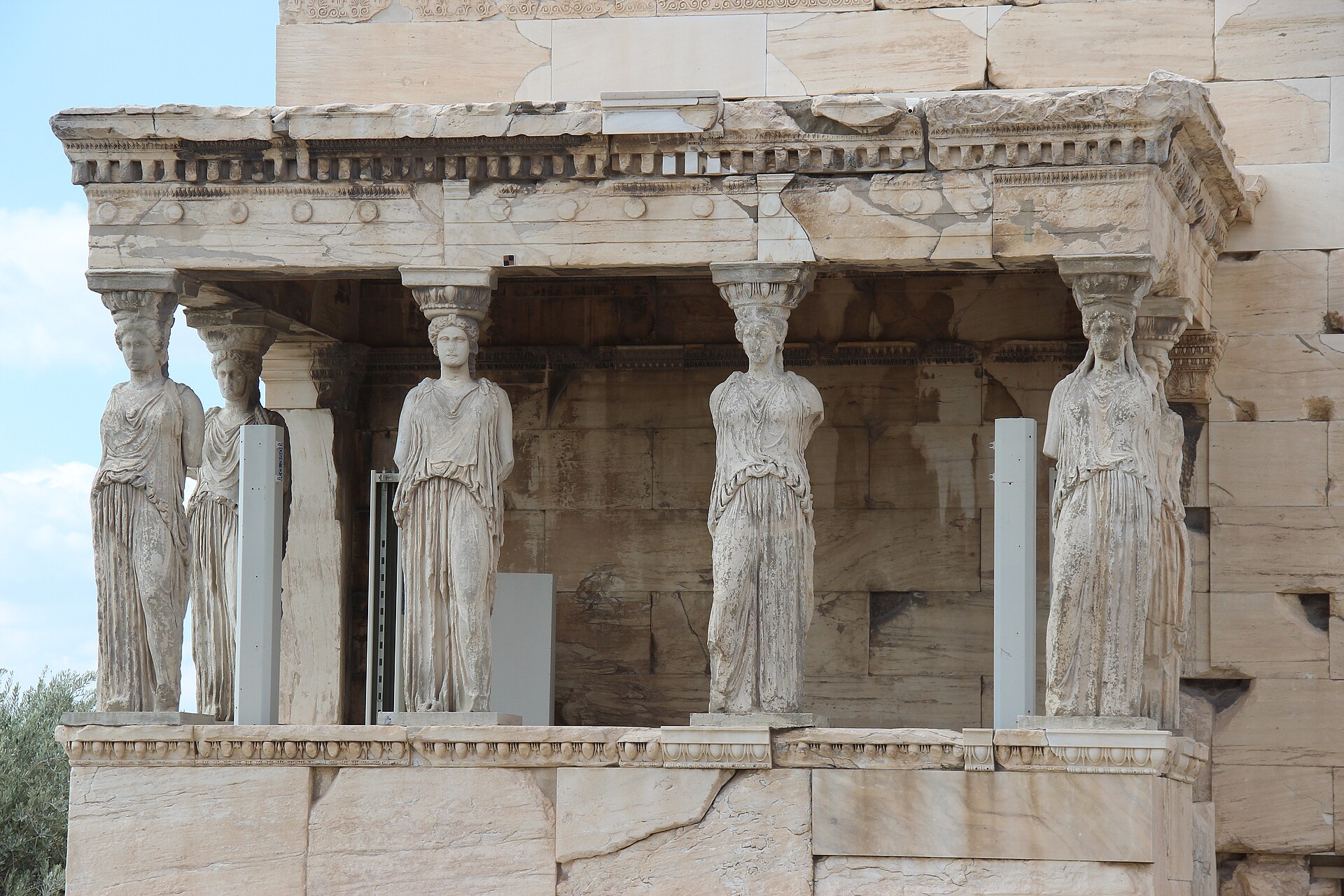
At the Acropolis, the Parthenon rises above the city as a temple once linked to Athena. Nearby, the Erechtheion is known for maiden statues that hold up part of its porch. The Acropolis Museum helps groups see sculptures and objects from the hill in a clear setting. It gives newcomers a clear first picture of the hill’s importance.
The Ancient Agora was a market and meeting place in old Athens. Its Temple of Hephaestus still shows the form of a Greek temple with striking strength. These stops give a guide useful stories about daily public life, trade, and belief.
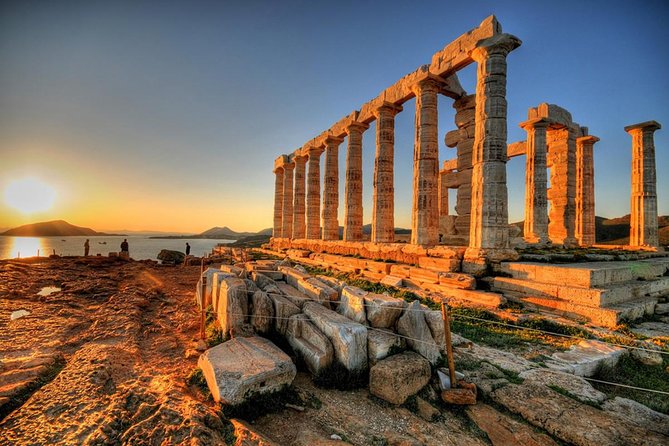
Plaka and Anafiotika have narrow lanes where groups can slow their pace and look around. Syntagma Square brings them to the guard change outside the government building. The coast road toward Cape Sounion adds broad water views and a calmer change from city streets.
Which Greece tours fit groups in Athens?
Private tours with a driver-guide, priced per group, suit friends or families who want a flexible city route. Private tours with a skipper, also priced per group, suit a party that prefers the water. Both choices let the organiser keep the group on a shared schedule.
Boat cruises with swim stops give active groups a simple break from streets and stone. Guided walking tours suit schools, clubs, and teams that want a guide to explain each place. They keep the focus on the city without splitting everyone into separate plans.
Cooking classes bring people around a shared task, while wine tastings work well for adults who enjoy local flavours. These activities suit groups that want conversation as much as sightseeing.
Which services do Greece tours in Athens provide?
A licensed or local guide gives the group a clear voice at major sights and on city lanes. The guide can keep the pace steady and explain why each place matters. That support helps people who know little about Greek history. It also keeps people from searching for basic answers on their own.
Lunch or a BBQ meal gives the party a natural moment to gather and reset. Drinks, sometimes unlimited, can make a warm outing easier to manage. Wine tastings add a social stop that feels special without changing the whole route.
On boat plans, swim stops offer a cool pause and a shared memory. These services reduce small decisions, which helps a larger party stay relaxed.
What should groups plan for in Athens?
Start early when the group wants calmer streets and a smoother arrival at the hill. Choose a clear meeting point before anyone wanders through Plaka or Anafiotika. Comfortable shoes, water, sun cover, and a light layer keep people ready for changing conditions.
Put the most important stop near the start, when attention is high. Check the best time to visit Athens before fixing the day. A group leader can repeat the next meeting point before every move. This avoids needless confusion.



Which Greece Tours Suit Groups Hopping The Cyclades?
The Cyclades suit groups that want bright island scenes, time on the water, and easy chances to share food or outdoor fun. Greece tours here can join dramatic views with relaxed island moments. The best plan leaves space for the group to enjoy each stop without rushing or leaving anyone behind.
Which highlights draw groups to the Cyclades?
On Santorini, Oia and Fira sit above the sea on steep volcanic cliffs. Their white buildings and blue details give groups striking places to walk and take photos. The volcano and hot springs add a different island scene beyond the cliff towns. The changes in colour and shape make a strong first impression.
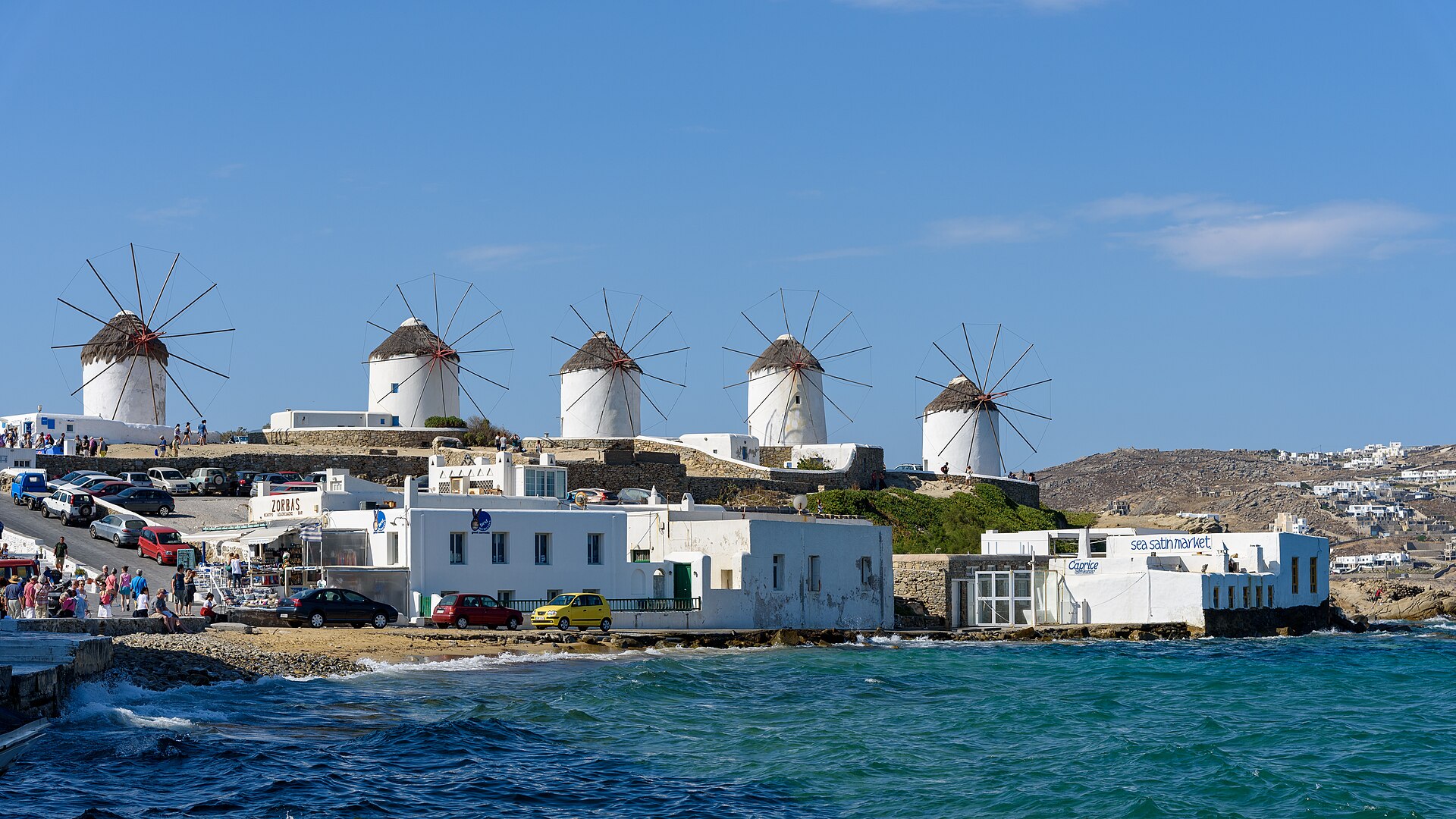
Mykonos brings Little Venice, waterside homes, and windmills that face the open shore. Ancient Delos shows the remains of a once-busy sacred island and trading place. Together, they give groups lively views and simple ways to talk about the past. The contrast keeps conversation lively for a mixed party.
Milos has Kleftiko with sea-carved rocks and Sarakiniko with pale, smooth shore forms. Naxos old town leads toward the Portara, a large stone gateway by the sea. Paros adds Naoussa and Lefkes, where small streets invite an unhurried walk. Each stop has its own mood.
Which Greece tours fit groups in the Cyclades?
Private tours with a driver-guide, priced per group, help a mixed party see an island at its own pace. Private tours with a skipper, priced per group, fit friends who want their day shaped around the sea. Both options make it easier to keep everyone moving together.
Boat cruises with swim stops suit groups that want open water and simple fun. Full-day trips from Athens by coach help school groups or teams add island scenery to a wider plan. Snorkel and beginner scuba trips work for people who want guided water activity.
Cooking classes give groups a hands-on activity, while wine tastings suit adults who prefer a slower social stop.
Which services do Greece tours in the Cyclades provide?
Lunch or a BBQ meal brings the party back together after time in the sun. Drinks, sometimes unlimited, keep the group comfortable when the weather feels warm. Those shared pauses can stop the day from feeling rushed. That makes sharing the day feel simpler for a large party.
A licensed or local guide makes local stories easier to follow, especially when the group has many questions. Snorkel gear helps people join the water activity without carrying extra equipment. Swim stops also give everyone a clear shared break.
Free time to explore lets friends or family members choose their own small discoveries. Wine tastings create a relaxed setting for adults to talk and compare local flavours.
What should groups plan for in the Cyclades?
Island days feel smoother when the group agrees on a meeting point before anyone enters a busy lane or heads to the shore. Keep a contact plan, stay aware of the group leader, and carry water, sun cover, and shoes that handle uneven ground.
The guide to Greek islands for first-timers can help organisers choose a route that feels manageable. Give the group room to pause for photos and food. A calm pace keeps the day pleasant for different ages and energy levels.
Which Greece Tours Bring Groups To The Ancient Sites?
Ancient-site routes suit groups that want Greece’s old stories explained clearly, with grand ruins, striking landscapes, and time to talk together. These routes turn stone walls and objects into human stories. A guide can connect each stop without burying the group in hard terms or dry facts.
Which highlights draw groups to the ancient sites?
At Delphi, people once asked the Oracle for advice about important choices. The museum helps visitors see objects linked to the sanctuary and its worship. A guide can explain that an oracle was a person believed to speak for a god. The stop makes old belief feel more personal and easier to discuss.
Meteora has monasteries built high on tall rock forms, creating a setting that feels far from ordinary life. Mycenae has the Lion Gate and large tombs linked to powerful rulers. At Epidaurus, the great theatre shows where audiences watched plays in the open air. They show how Greeks used places for prayer, power, and public shows.
Nafplio has an old centre and Palamidi, a fortress above the town. Ancient Olympia has a stadium where athletes competed during religious festivals. The Corinth Canal cuts through land and gives groups a sharp change from ruins and towns.
Which Greece tours fit groups in the ancient sites?
Small-group tours suit clubs, friends, or families that want a closer shared discussion with a guide. Full-day trips from Athens by coach help large parties reach major sites without building a separate travel plan. Guided walking tours work well when the group wants to understand details on foot.
Entry tickets suit groups that want to explore at their own pace and discuss each site among themselves. They work for organisers who have a clear plan and a confident meeting system.
Multi-day tours with hotel nights suit schools, wide families, and teams that want several ancient places on the same trip. The overnight rhythm gives the group more time to settle into the route.
Which services do Greece tours in the ancient sites provide?
A licensed or local guide turns broken walls, statues, and old paths into clear stories. The guide can explain religious customs, public meetings, and theatre without using hard language. This service helps every age follow the visit. It prevents key ideas from feeling distant or confusing.
Entry tickets reduce waiting at the gate and help the leader keep everyone moving. They also make it easier for the group to begin together. A simple arrival plan protects time for looking around.
Hotel nights on multi-day trips give the group a steady base between sites. They make it easier to end an active day and begin the next one with the party together.
What should groups plan for in the ancient sites?
Choose a route that matches the group’s comfort with steps, slopes, and uneven ground. Pack water, sun cover, light rain protection, and shoes with a firm grip. Remind everyone that ancient stones can feel rough and slippery.
Keep the group close when moving between a coach, a gate, and the main sight. The guide to top archaeological sites in Greece can help organisers pick the right focus. Agree on the next meeting place before the group looks around. Keep that instruction short.


Which Greece Tours Suit Groups On The Bigger Islands?
The bigger islands suit groups that want varied scenery, old towns, famous shores, and enough choice for different interests in a shared stay. These island plans can balance heritage, beaches, and lively town walks. The group can choose a route that matches its mood while staying together, while keeping conversations and movement easy.
Which highlights draw groups to the bigger islands?
Crete brings Knossos palace, where rooms and painted walls suggest life in a very old royal centre. Heraklion adds a busy city setting for groups who want museums, streets, and local food. Chania old harbour mixes waterside views with an old-town walk. Together, these places combine palace stories, city energy, and a harbour setting.
Balos and Elafonisi draw attention with clear water, pale sand, and open coastal scenes. On Rhodes, Lindos rises around an old hilltop site, while Rhodes Old Town has walls and lanes from later periods. These places give groups both beach time and history in plain view.
Corfu has an old town and fortresses that look out over the water. Zakynthos offers Navagio and the Blue Caves, where rock, sea, and light create bold natural scenes. Each island can give a large party a different kind of shared day.
Which Greece tours fit groups in the bigger islands?
Private tours with a driver-guide, priced per group, suit families or teams who want to shape a route around their interests. Private tours with a skipper, priced per group, suit friends who want the coast to set the mood. Both allow the group to decide what matters most.
Boat cruises with swim stops suit groups that want a shared water break. Full-day trips from Athens by coach can suit teams or clubs building a wider Greece plan. Guided walking tours help people notice old lanes, walls, and town stories.
Entry tickets work for groups that want to explore at their own pace. Cooking classes and wine tastings help people share an activity away from the main sights.
Which services do Greece tours in the bigger islands provide?
Lunch or a BBQ meal gives the party a pause after active sightseeing. Drinks, sometimes unlimited, can keep the mood easy during warm hours. A licensed or local guide makes town history clear without asking anyone to study beforehand. That shared explanation gives the group a better starting point.
Entry tickets can simplify access when the group reaches a major sight. Wine tastings give adults a slower social moment and a chance to compare local flavours. These services let a leader focus more on people and less on details.
Boat plans can include swim stops, which give everyone a clear time to cool off together. That shared pause becomes the group’s favourite simple memory.
What should groups plan for in the bigger islands?
Match the route to the group’s appetite for streets, hills, shore paths, and boat activity. Have everyone carry water, sun cover, a light layer, and shoes that feel secure. Pick clear meeting places before a large party starts exploring an old town.
Plans that include Rhodes should leave enough room for walls, lanes, and quiet stops. Keep messages simple so nobody misses a move. A flexible group leader can protect the mood when plans shift. That habit keeps the group settled.
Conclusion: Greece Tours For Big Groups, Planned Well
Big group travel works when the plan gives people a shared goal without making every minute rigid. A well-chosen route can pair ruins with water, local food, and places where people naturally talk. The strongest choice matches the group’s interests, comfort, and need for guidance.
It also leaves room for a slower moment when the day feels full. That balance matters more than fitting every possible sight into the route. Groups remember easy shared moments long after the travel details fade. Small checks before departure can prevent needless stress for everyone.
Organisers can use Greece group tours to compare ideas and build a route that makes sense. A clear meeting plan, sensible clothing, and the right activity help the party move with ease.
When everyone knows the next step, the group spends less energy on logistics and more on the country around them. Each person can then spend more attention on the views, stories, and conversations. That is what turns a group plan into a welcoming trip.
Careful choices also reduce the stress of keeping a large party on track. The most successful plan feels clear, kind, and easy to share.
Frequently Asked Questions About Greece Tours For Big Groups
Which Greece tours should big groups book first?
Groups should book the option that has the fewest moving parts for their people, especially when ages or confidence levels vary. A private tour suits a party that wants flexibility, while a boat cruise suits a group that wants shared water time and open views.
Ancient-site plans work well when the group wants a guide to make history easy for newcomers and students.
Are Greece tours from Athens good for groups?
Yes, Athens gives a large party ruins, city lanes, food, and coast views in a compact plan that feels varied. Private tours, guided walks, and boat cruises suit different group moods and energy levels. A clear meeting place helps everyone enjoy busy areas when lanes become busy.
What services come with most Greece tours?
Most include some mix of a guide, food or drinks, water stops, equipment, entry tickets, or hotel nights, depending on the route. The right service depends on the route and the group’s needs and energy levels throughout the day. Organisers should choose the plan that solves the most practical concerns before the group meets.
How many Greece tours fit into one week?
That depends on how much moving around the group enjoys and how much space it needs. A balanced plan lets Athens, an island, and ancient places each have their own space and a clear purpose. A leader should avoid packing every day with hard choices or long debates.
Can groups book Greece tours at short notice?
Groups can book at short notice when they stay open to different routes and meeting times and can agree quickly. However, a larger party needs a clear headcount and quick agreement on its priorities before the day begins. Early planning makes it easier to keep the whole party together from the start.
When are Greece tours least crowded?
The calmest visits come when a group arrives early and avoids the busiest parts of the day, before queues and heat build. A guide can help set a smooth order for popular sights without confusion. The group should carry water and sun cover for comfort on warm ground.
How do big groups compare Greece tours?
Big groups compare Greece tours by checking group size limits, daily pace, what each package includes, and how much free time remains. Placing a few options side by side makes the choice easier before anybody pays a deposit.
Check the same points on every tour
Start with one short list of questions and ask the same ones about every option. How many people fit on the coach or boat, and does the whole group travel together? Is the guide present from beginning to end, or only at the main attractions?
A helpful guide to choosing the right Greek tour lists more of these checks. Groups should also ask what happens if one person feels unwell during the excursion. Clear answers to simple questions show how well Greece tours handle large parties.
Compare the pace as well, since energy levels differ across every group. Some Greece tours pack many stops into one long day, while others spend more time at fewer places. Large groups move slower than couples, so a relaxed itinerary with fewer stops works better for everyone.
Group size rules matter too, because some tours limit the number of guests on each departure. A large party then has to divide into smaller teams with separate guides. Ask early whether everyone can travel on the same coach and eat together at lunchtime.
Read what is included before booking
Greece tours that look similar online can include very different things. One option covers entry tickets, lunch and hotel pickup, while another covers only the guide and the coach. Lining up these details in a simple table shows the real value of each choice.
Multi-day holidays need extra attention, because small gaps in the plan become expensive. Articles about escorted tour itineraries explain how hotels, transfers and meals add up over a whole week. Groups should notice which evenings and meals are left open, since those costs fall on each traveler.
Ask how each tour handles summer heat, rough seas and family members who wander off. Simple safety tips for Greece help everybody prepare before the trip. Greece tours that plan for these situations keep a large group calm, safe and on schedule.
Finally, look at the start and end points. A tour that collects everyone from one hotel saves the group a confusing morning of taxis. A drop-off near good restaurants or the harbor makes the evening easier for tired legs.


When should groups choose private Greece tours?
Groups should choose private Greece tours when they have mixed ages, special needs, a tight schedule, or enough people to fill a minibus. A private tour adapts to the group, rather than the other way around. The route, the stops and the daily rhythm all belong to the travelers.
Signs a private tour fits the group
A private tour makes sense when the group includes toddlers, grandparents or anybody who walks slowly. The guide sets the pace for them, and nobody feels hurried by strangers. Breaks happen whenever the group needs them, not when a fixed timetable says so.
Company groups often prefer private Greece tours for similar reasons. Colleagues can talk openly, begin at a convenient time and finish early enough for a team dinner. A detailed guide to private travel explains how these personal itineraries are designed around one party.
Large families with young children also gain a lot. Useful family-friendly travel tips pair well with a private guide who knows where to find shade, toilets and snacks. Parents relax when the day follows nap times and little legs instead of a printed schedule.
Clubs with a shared hobby gain from private tours as well. A walking club can add a longer trail, while a history club can spend extra time at one temple. Private Greece tours let every club shape the day around the interest that brought its members together.
When shared Greece tours still make sense
Smaller groups of friends often do well on shared tours. They meet other visitors, the cost per person stays lower, and the itinerary is already tested. Shared Greece tours also operate on regular days, which makes planning simple for organized groups.
Many groups combine both styles during one holiday. They book shared day trips for easy sightseeing and keep private tours for major sites or long drives. An overview of small-group and private experiences helps families and friends see where each style works best.
Inside ancient sites and museums, the same important rule applies to both styles. Only state-licensed guides may lead groups there, so every proper tour employs one. Organizers can ask to see the guide’s license before the visit begins.
How do groups plan meals around Greece tours?
Groups plan meals around Greece tours by booking big tables ahead, eating a filling breakfast, and carrying snacks and water to every site. Greek meals are slow and sociable, which suits groups well. The trick is fitting them around tour times without rushing anybody.
Booking tables for a big party
Many tavernas, which are simple family-run Greek restaurants, can seat a large group if they know in advance. A quick phone call the day before saves a long wait at the entrance. Some places will even push tables together outside under the olive trees.
Sharing plates is the Greek way, and it suits groups well. Order a variety of dips, salads, grilled meat and fish for the middle of the table, then add more as needed. Lists of Greek dishes to try help everybody order with confidence.
Meal times in Greece run later than in many other countries. Lunch often starts in the early afternoon, and dinner usually begins late in the evening. Groups that understand this can plan Greece tours for the cooler morning and save the long meal for afterwards.
Some Greece tours include a meal, such as a farm lunch or a picnic on a boat. Check whether drinks are part of it, and mention any allergies to the organizers early. Families with vegetarians or fussy kids should ask for simple dishes early.
Table manners and snacks on the go
Good manners make a large group welcome at any table during Greece tours. Reading about polite habits at Greek tables before departure helps everybody feel comfortable. Splitting the bill item by item can slow down a busy taverna, so many groups pay together and settle up later.
A few words of Greek also go a long way at mealtimes. Learning some essential Greek phrases, such as the words for “thank you” and “the bill, please”, earns warm smiles from waiters. Children in family groups often enjoy being the ones who say them.
On long sightseeing days, food stops can be rare and expensive. Pack fruit, nuts and bread from a local bakery, plus plenty of water for everybody. Many ancient sites on Greece tours offer little shade, so a full water bottle matters more than a big lunch.
How do groups share costs on Greece tours?
Groups share costs on Greece tours by naming one organizer, keeping a shared fund, and agreeing early which expenses are divided. Clear money rules protect friendships and family peace. They also make booking faster, since one person can pay for everyone at once.
Set the money rules early
Choose one reliable person to book and pay for the shared parts of the holiday. That organizer collects money from everyone before deposits are due, so nobody pays twice. A simple shared spreadsheet showing who has paid prevents confusion later.
Decide early which expenses the whole group divides. Guides, coaches, boats and group meals are usually shared, while souvenirs, snacks and extra drinks stay personal. Writing this down in the group chat avoids awkward conversations halfway through the trip.
Families with children need their own arrangement too. Many Greece tours charge less for young kids, so the split should not be equal for every person. Agree on a fair way to share costs between households, not just between people.
Company groups follow a different pattern. The business often pays for the Greece tours and group dinners, while employees cover their own extras. A short note before the trip about what the company covers keeps everybody clear and happy.
Ways to keep Greece tours affordable
Big groups often benefit from their size. Many Greece tours cost less per person when more travelers share one private vehicle. Reading budget tips for Greece visitors shows other ways to stretch the group fund.
- Travel in spring or autumn for calmer, cheaper days.
- Book group Greece tours early, before popular dates fill up.
- Choose one base and take day trips from it.
- Eat lunch at bakeries and save dinners for tavernas.
- Use regular ferries for short island crossings.
Luggage fees add up too, especially on ferries and small planes. Groups that follow advice on packing light for island tours move faster and spend less. Lighter bags also make hotel changes quicker, and nobody waits around for one heavy suitcase.
Finally, keep a small buffer in the group fund. Surprise costs pop up, such as a taxi after a late ferry or an extra round of drinks. A buffer means nobody has to chase friends for small amounts after the holiday ends.


Which Greece tours suit relaxed groups?
Relaxed groups enjoy Greece tours with a slow pace, short drives and long lunches. Village walks, wine tastings and gentle boat trips suit them best. These tours leave room for coffee breaks, afternoon naps and long talks in the shade.
Slow days in villages and countryside
Many relaxed Greece tours visit traditional Greek villages, where stone houses, narrow lanes and quiet squares set a calm mood. Groups stroll at their own speed and stop for coffee whenever they like. Grandparents and parents with young children find this pace especially comfortable.
Olive oil and wine tastings are also popular with easygoing groups. A local farmer explains how the oil is made, then everyone tastes it with fresh bread. These visits involve very little walking, so the whole family can join in.
Cooking classes work well for clubs and company groups that want a shared activity. Each person helps prepare a dish, and the class ends with a long meal together. Relaxed Greece tours like these create strong memories without any rushing.
Hot springs and spa towns offer another calm option for tired legs. Warm mineral water, quiet gardens and slow walks help older group members rest their muscles. Many groups add one spa afternoon in the middle of a busy week.
Gentle Greece tours with sea views
Easy boat cruises suit relaxed groups perfectly, because nobody needs to plan anything. The boat does the work, while everyone swims, chats or naps on deck in the sunshine. Short cruises around one island keep travel time low and comfort high.
Evening trips to the best sunset spots are another gentle choice. Groups arrive early, find a good table and watch the sky change color over the sea. These Greece tours ask little effort but deliver some of the happiest photos of the holiday.
Where groups sleep also shapes a relaxed trip. Quiet eco-friendly places to stay in the countryside or on small islands offer gardens, pools and peaceful evenings. Choosing one base for several nights, with relaxed Greece tours as day trips, avoids packing every morning.
Which Greece tours suit active groups?
Active groups do best on Greece tours built around hiking, cycling, kayaking and climbing, with days spent outdoors in mountains, gorges and coastlines. These tours give sporty friends and clubs a real challenge. They also reach places that coaches and cars cannot.
Hiking and walking Greece tours
Greece has mountains almost everywhere, so walking tours are easy to find. Guides lead groups along popular hiking trails through gorges, forests and old mule paths between villages. Many guides offer shorter and longer versions of a route, so fit members and slower walkers can share the same day.
Gorge walks in Crete are a classic choice for sporty groups. The paths run between tall rock walls and often end at a beach, where a boat or bus collects the walkers. Groups should bring proper shoes, sun hats and more water than they expect to need.
Active Greece tours also suit company groups that want team building. Walking together, sharing water and helping each other uphill builds trust in a natural way. A long taverna lunch afterwards turns the shared effort into a happy celebration.
Season matters a lot for active groups. Spring and autumn bring mild weather, green hills and wildflowers, while summer heat makes long climbs hard after mid-morning. Smart groups start early and finish their hardest stretch before lunch, then rest in the shade.
Bikes, kayaks and sea adventures
Cycling tours give groups a different view of the country. Riders follow cycling routes by region, from flat island roads to tough mountain climbs. Electric bikes and a support van help mixed groups stay together on the hills.
Sea kayaking is one of the best Greece tours for active friends. Paddlers explore sea caves, hidden coves and cliffs that boats cannot reach, then stop for a swim. Guides set the distance by the weather and the skill of the group.
Groups that want even more action can try outdoor adventures in Greece such as rafting, canyoning and paragliding. These activities need trained guides and good safety gear. Mixing one big adventure day with calmer Greece tours keeps everybody’s energy high for the whole trip.
Active days need good fuel and proper rest. Guides plan swim breaks, snack stops and shaded lunch spots along the way, so energy stays steady. Groups should still pack light rain jackets in spring, since mountain weather changes quickly.


Which Greece tours suit culture-loving groups?
Culture-loving groups enjoy Greece tours that visit ancient sites, museums and churches, with guides who explain history in plain words. Inside these sites and museums, only state-licensed guides may lead groups. Their knowledge turns old stones into stories that teenagers and grandparents both enjoy.
Ancient sites, temples and museums
Classic Greece tours for culture fans visit ancient temples, open-air theaters and the ruins of old palaces. A temple was a house built for a god, while a theater hosted plays and music for the whole town. Knowing these simple facts makes every visit easier to follow.
Museums help groups understand what they saw outdoors. A short guide to Greek art and museums shows which collections hold famous statues, painted pots and gold jewelry. Booking museum time after a site visit helps the stories connect in everyone’s mind.
Buildings tell stories too, from simple village chapels to grand marble temples. Learning about famous Greek architecture before the trip helps groups spot columns, arches and domes on their own. Kids enjoy turning this into a game, counting the different column styles at each site.
Culture groups should not try to see everything in one go. One major site per day leaves time to sit, ask questions and let the stories sink in. Too many ruins in a row blur together, even for keen history fans.
Living traditions on culture Greece tours
Culture is not only about the past. Many groups also want to experience local Greek traditions, such as folk dancing, village festivals and Easter customs. A dance lesson in a village square gets even shy family members laughing and moving together.
Monasteries and old churches add another layer to cultural Greece tours. Visitors should dress modestly, with covered shoulders and knees, and speak quietly inside. Guides explain the bright wall paintings, called frescoes, which show religious stories in color.
Craft workshops round out a culture trip nicely. Groups watch potters, weavers or icon painters at work and sometimes try the craft themselves. These hands-on Greece tours suit clubs and company groups looking for something different from a museum.
Food is part of culture as well. A visit to a busy local market shows how Greeks shop for cheese, olives, honey and fresh fish. Guides explain old customs behind certain dishes, such as the special breads baked for church holidays.
Which Greece tours suit beach-loving groups?
Beach-loving groups are happiest on Greece tours that mix boat trips, swimming stops and island hopping. Many visit quiet coves that cars cannot reach. Sun, salt water and long lunches by the sea make these trips easy to love.
Boat days and island hopping
Boat day trips are the simplest Greece tours for a big group of swimmers. The captain stops at several bays, and everyone swims, snorkels or jumps off the deck. Lunch is often served on board, so nobody has to leave the water for long.
Groups with more time can try sailing holidays in Greece, renting a yacht with a skipper for several days. Each morning the boat moves to a new island, bay or harbor town. Friends and families share cabins, cook simple meals and swim straight from the boat.
Island hopping Greece tours suit beach-loving groups that want variety on one holiday. Ferries link many islands, and each one has its own beaches, food and mood. Visiting fewer islands for longer keeps the trip relaxed and saves money on ferry tickets.
Picking beaches for Greece tours
Not every beach suits every group, so choosing well matters. Guides to the best Greek beaches show which ones have soft sand, shallow water or lively beach bars. Families with toddlers prefer calm, shallow bays, while groups of friends enjoy beaches with music and water sports.
Simple habits also keep beach days smooth for big groups. A short checklist shared in the group chat helps everyone pack the right things.
- Bring water shoes for pebbly beaches and rocky coves.
- Pack strong sunscreen and add more after swimming.
- Rent umbrellas early on busy summer days.
- Keep phones and wallets in a waterproof bag.
- Agree on a meeting point at crowded beaches.
Wind matters a lot on beach-focused Greece tours, especially in the Cyclades. In summer a strong north wind called the meltemi can make some beaches rough, so guides switch to sheltered bays. Groups that stay flexible usually find calm water somewhere nearby.
Beach-loving groups should also think about where they stay. A hotel within walking distance of the sea saves daily taxi rides and lets everyone swim before breakfast. Small seaside towns give the best mix of beach time, shops and evening walks.
Which places do Greece tours for big groups cover?
Greece tours for big groups cover three main areas. These are the Cyclades islands, the mainland around Athens, and the large islands to the west and south. Each area has a different mood and pace, so many groups combine two of them on one trip.
Cyclades
The Cyclades are a ring of dry, sunny islands in the middle of the Aegean Sea. They are famous for white houses, blue doors, windy beaches and small chapels on rocky hills. Greece tours here usually mix village walks, boat trips and long swims in clear water.
- Santorini: cliff-top villages, a flooded volcano crater and famous sunset views
- Mykonos: windmills, lively beach clubs and a stylish harbor town
- Naxos: the largest Cyclades island, with farm villages and long sandy beaches
- Paros: whitewashed fishing harbors, easy ferry links and family-friendly beaches
- Milos: colorful fishing houses, strange white rocks and boat-only swimming coves
Mainland
The Greek mainland holds many of the most famous ancient sites in the country. Distances are longer here, so a comfortable coach and a good driver matter for big groups. Mainland Greece tours often start in Athens and loop through the mountains, olive groves and quiet farming towns.
- Athens: the Acropolis hill, lively old neighborhoods and major museums
- Delphi: a mountain site once called the center of the ancient world
- Meteora: monasteries built on top of giant rock towers
- Olympia: birthplace of the ancient Olympic Games, with its old running track
- Mycenae: a walled hilltop city of early Greek kings, with the Lion Gate
Large islands
The large islands feel almost like small countries, with mountains, towns and long coastlines. Groups can stay in one place for a week and still see something new each day. These Greece tours suit families and clubs who dislike packing and moving every few days.
- Crete: the biggest Greek island, with deep gorges and the palace of Knossos
- Corfu: green hills, Venetian forts and an elegant old town
- Kefalonia: steep green mountains, sea caves and bright blue bays
- Zakynthos: the famous Shipwreck Beach, sea turtles and white cliffs
How do groups plan Greece tours over eight days?
Groups plan Greece tours over eight days by mixing city, mountains and islands. A simple shape is two Athens days, Delphi and Meteora, three Cyclades days and a boat day. This plan balances busy sightseeing with real rest.
Two Athens days
The first morning in Athens belongs to the Acropolis, the rocky hill crowned by the Parthenon temple. A licensed guide brings the stones to life, explaining how Athenians honored their goddess Athena. The afternoon stays light, with lunch in Plaka, the old neighborhood below the hill.
Getting around Athens with a big group is easier on foot or by metro than by taxi. The historic center is compact, and most famous sights sit close together. A coach is only needed for trips out of the city.
The second morning covers the Acropolis Museum, the old Agora market square and the changing of the guard at Parliament. Families enjoy watching the guards march in their pleated skirts and pom-pom shoes. Kids often copy the slow, high steps all the way back to the hotel.
The second afternoon stays free, so the group can rest before the road trip north. Reading self-guided planning tips helps organizers decide which parts need a guide and which work on their own. Evening Greece tours of the city then end with dinner facing the lit-up Acropolis.
Delphi and Meteora
On the third morning, the coach heads north-west to Delphi, high on the slopes of Mount Parnassus. People came here to ask a priestess, known as the oracle, about wars, marriages and journeys. The views over the olive valley below are just as impressive as the ruins.
Delphi’s museum holds the Charioteer, a bronze statue of a young chariot driver. Seeing it after the ruins helps the group picture the races once held here. Greece tours that include both the site and the museum give the fullest story.
After lunch, the road crosses the wide plain of Thessaly, one of the main farming areas of Greece. Groups pass cotton and wheat fields, small towns and distant mountains. A good driver plans comfort stops so nobody waits too long for a break.
By evening, Greece tours on this route reach Kalambaka, the small town at the foot of Meteora. Groups sleep there and wake up to giant rock towers glowing in the morning light. Monks built monasteries on top of these rocks centuries ago to stay safe and close to God.
The fourth morning is spent visiting a few monasteries, which are still home to monks and nuns. Visitors climb stone steps, so slower walkers should pick the ones with the easiest paths. Women need long skirts, and men need long trousers, inside every monastery.
The long drive back to Athens fills the afternoon, with a stop for coffee and snacks on the way. Many groups sleep near the port of Piraeus that night to make the early ferry easier. Groups that skip this step often start the island days tired and rushed.
Three Cyclades days and a boat day
On the fifth morning, the ferry carries the group to the Cyclades. A guide to Greek island hopping helps pick one or two islands that are easy to reach and good for groups. Naxos and Paros work well, since they have long beaches, good ferry links and plenty of family hotels.
The Cyclades days stay slow on purpose. Mornings go to village walks, a short hike or a cooking class, and afternoons belong to the beach. Island Greece tours often add a sunset drink in a hilltop village, where the whole group watches the sky turn pink.
Groups wanting a second island can split these days, as long as the ferry hop is short. Changing hotels more than once in three days wastes too much beach time. A classic Athens, Santorini and Mykonos itinerary shows how other groups balance travel and rest.
The eighth day is the boat day, and many groups call it the highlight of the trip. A private boat takes everyone around the island’s coast, stopping at caves and bays that no road reaches. Swimming, snorkeling and a simple lunch on deck turn the final day into a real celebration.
Boat Greece tours for groups should be booked early, since the best boats fill up fast in summer. Organizers should check the wind forecast the day before, because strong winds can cancel trips. A flexible captain can move the route to the calm side of the island.
More questions about Greece tours for groups
Big groups planning Greece tours usually ask about transport, older relatives, boats, food, tipping and clothing before they book a trip. The answers below cover each of these practical points in plain words.
Can big groups ride together on Greece tours?
Yes, big groups can ride together. A private coach or minibus sized for the whole party keeps everyone and the luggage in one place. Shared tours sometimes split large parties across vehicles, so organizers should ask about this early.
Are Greece tours fine for grandparents?
Greece tours are fine for grandparents when the plan includes short walks, shaded breaks, easy paths and a comfortable coach between stops. Ancient sites have rocky, uneven ground, so good shoes and a walking stick help. Many guides offer a slower pace or a seated talk for older guests.
Do boats on Greece tours have toilets?
Most larger boats on Greece tours have a small toilet on board, while small speedboats and kayak trips usually do not. Organizers should ask before booking, especially for groups with young children or older relatives. Big ferries between islands have restrooms, cafés and indoor seats.
Can groups bring their own food on Greece tours?
Groups can usually bring snacks and water on Greece tours, but full meals depend on the tour and on site rules. Eating is not allowed inside ancient sites and museums, so picnics happen before or after the visit. Private boats let groups bring extra fruit and drinks for the journey.
How do groups tip guides on Greece tours?
Groups tip guides on Greece tours by collecting a small amount from each member and handing it over together at the end. Tipping is a kind thank-you in Greece, not a strict rule, so the amount depends on the service. Drivers and boat crews appreciate a small tip as well.
Which hats and shoes suit Greece tours?
Wide sun hats and closed walking shoes with good grip suit Greece tours best, since ancient sites are rocky and sunny. Marble paths at places like the Acropolis turn slippery from years of footsteps, so smooth soles are risky. Pack sandals or water shoes separately for beaches and boat days.
See more in SEO Webitnow: